
Get Backflow Preventer Installation
Backflow preventer installation services help property owners protect water quality by preventing contaminated water from flowing back into the main supply, typically involving pipe and device installation or replacement by local contractors.
If you are considering backflow preventer installation, you’ve come to the right place to explore your options. Property owners in the area often seek this service to ensure their plumbing systems remain safe and compliant with local regulations. Whether you're upgrading an existing system or installing a new one, understanding the benefits of proper backflow prevention can help protect your property’s water supply and prevent costly issues down the line. Keep reading to learn how local contractors can assist with planning and executing this important project.
Comparing local service providers can make a significant difference in finding the right solution for your needs. Many experienced contractors specialize in backflow preventer installation, offering tailored advice and quality workmanship. As you evaluate your options, consider the practical reasons for installing a backflow preventer, such as safeguarding public health and maintaining property value. Continue exploring to discover how local experts can support your project and help ensure your plumbing system functions safely and efficiently.
- Backflow preventer installation for new plumbing systems - when installing a new commercial or residential plumbing system, local contractors can set up backflow preventers to protect water quality.
- Backflow preventer testing and replacement services - if a backflow preventer is outdated or malfunctioning, service providers can test and replace the unit to ensure proper operation.
- Backflow preventer upgrades for property renovations - during property upgrades or expansions, local pros can install or upgrade backflow preventers to meet current standards.
- Backflow preventer maintenance for ongoing water safety - routine maintenance services are available from local contractors to keep backflow preventers functioning correctly.
- Backflow preventer installation after plumbing repairs - following plumbing repairs or modifications, service providers can install or reconfigure backflow preventers to maintain water safety.
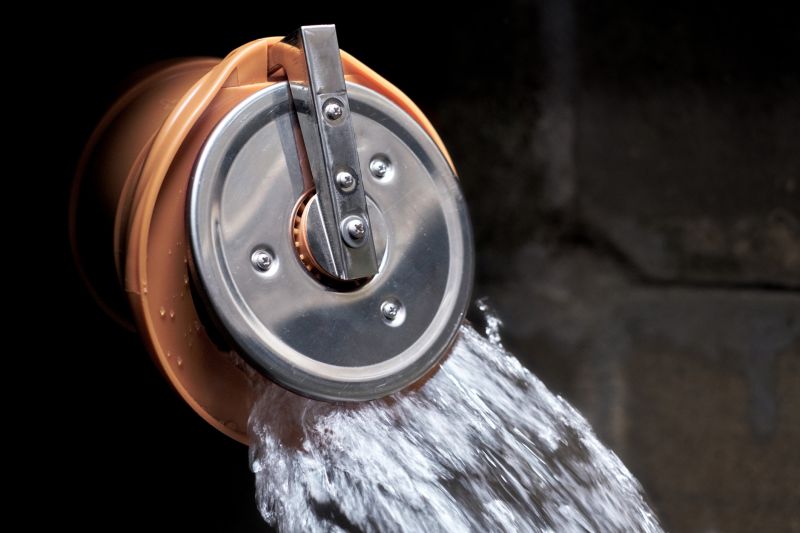
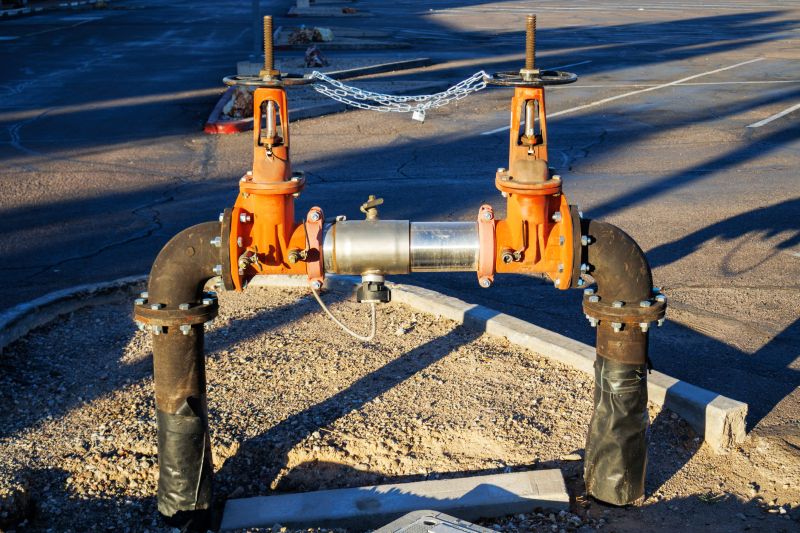
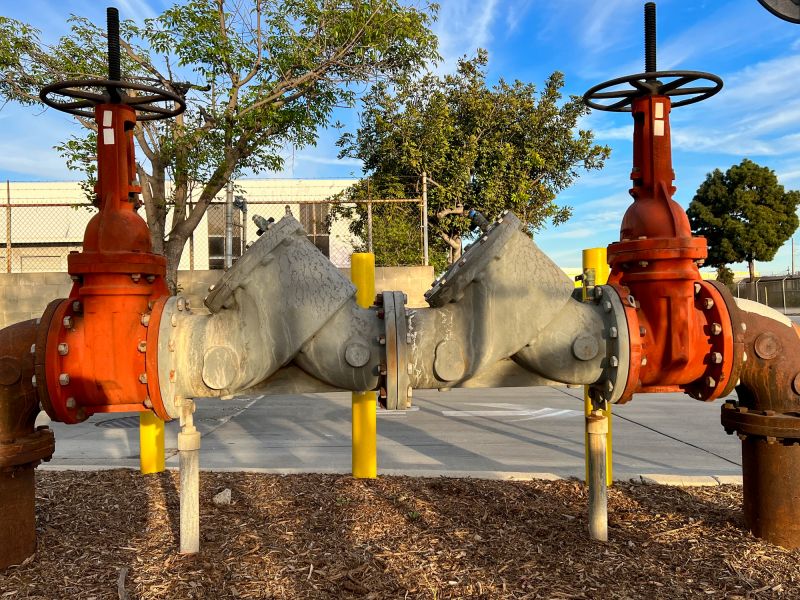
Backflow preventer installation services involve setting up a specialized device designed to protect a property's water supply from contamination caused by backflow. These devices are installed in the plumbing system and act as a barrier, preventing potentially polluted water from flowing back into the clean water lines. Proper installation ensures that the water coming into a home or business remains safe and free from pollutants, which is especially important in areas with complex plumbing systems or where there is a risk of cross-connections with non-potable sources.
This service helps address common problems such as backflow incidents, which can occur when there is a sudden change in water pressure. These incidents can allow contaminants like chemicals, bacteria, or debris to enter the drinking water supply, posing health risks. Installing a backflow preventer provides peace of mind by offering a reliable safeguard against these issues. Regular maintenance and proper installation by experienced local contractors can prevent costly repairs and protect the health of everyone using the water system.
Backflow preventer installation is often necessary for properties with irrigation systems, commercial buildings, or properties near industrial areas. Homeowners with private wells, properties with fire sprinkler systems, or those connected to municipal water supplies may also require these devices. Typically, properties that have potential cross-connections between potable water and non-potable sources or are subject to local regulations will benefit from professional installation. This service ensures compliance and helps maintain a safe, reliable water supply for everyday use.
Choosing to work with local service providers for backflow preventer installation offers the advantage of experience with regional plumbing codes and specific property needs. These professionals can assess the unique requirements of each property, recommend appropriate devices, and perform installations efficiently. Whether for residential or commercial properties, connecting with local contractors ensures that the backflow prevention system is correctly installed and functioning properly, reducing the risk of water contamination and safeguarding the property’s plumbing system.
The overview below groups typical Backflow Preventer Installation projects into broad ranges so you can see how smaller, mid-sized, and larger jobs often compare in your area.
In many markets, a large share of routine jobs stays in the lower and middle ranges, while only a smaller percentage of projects moves into the highest bands when the work is more complex or site conditions are harder than average.
Smaller Repairs - Many routine backflow preventer repairs or adjustments typically cost between $250 and $600. These projects usually involve fixing or replacing small components and are common for standard systems.
Full Replacement - Replacing an entire backflow preventer can range from $1,000 to $3,000, depending on the system size and complexity. Larger, more complex projects tend to fall into this higher cost range.
Commercial Installations - Installing backflow preventers in commercial properties often costs between $2,500 and $5,000 or more. These jobs involve more extensive work and are less frequent than residential repairs.
Complex or Custom Projects - Larger or custom backflow prevention systems can reach costs of $5,000+ due to specialized requirements. Such projects are less common but necessary for certain high-demand or specialized settings.
Actual totals will depend on details like access to the work area, the scope of the project, and the materials selected, so use these as general starting points rather than exact figures.
Water line installation - involves planning and installing piping systems, similar to backflow preventer setups to ensure proper water flow and prevent contamination.
Irrigation system setup - requires understanding of plumbing and water control devices, aligning with backflow prevention to protect potable water sources.
Plumbing repairs and upgrades - involve working with water supply systems and valves, which shares skills used in installing and maintaining backflow preventers.
Water pressure regulation projects - focus on managing water flow and pressure, paralleling the planning involved in backflow prevention system installation.
Fire sprinkler system installation - requires precise pipe fitting and system testing, similar to the technical work involved in backflow preventer setup.
Drainage and sewer line work - involves underground piping and system planning, which shares foundational skills with backflow prevention installation projects.
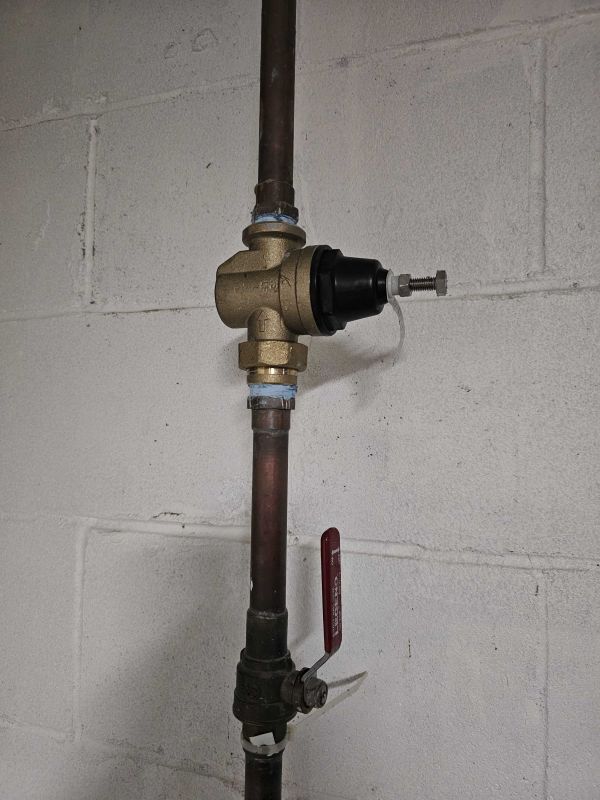
When comparing service providers for backflow preventer installation, it’s important to consider their experience with similar projects. Homeowners should look for local contractors who have a proven track record of successfully completing backflow preventer installations or related plumbing services. Asking about the types of systems they have worked on and how familiar they are with local regulations can help ensure the chosen professional has the necessary expertise to handle the job effectively.
Clear written expectations are essential for a smooth project. Homeowners should seek out providers who can offer detailed descriptions of their services, including what the installation process involves, any preparations needed, and what the client can expect during and after the work. Having this information in writing helps prevent misunderstandings and ensures everyone is aligned on the scope of work, resulting in a more transparent and efficient experience.
Reputation and communication play a key role in selecting a reliable local contractor. It’s advisable to review references or testimonials from previous clients to gauge the quality of their work and professionalism. Good communication skills are also vital; service providers should be responsive, willing to answer questions, and able to clearly explain the process and any potential issues. This level of engagement can help homeowners feel confident in their choice of a trusted professional for backflow preventer installation.
Property owners use Backflow Preventer Installation services for practical projects around their homes and businesses. This guide focuses on everyday jobs and straightforward project options.
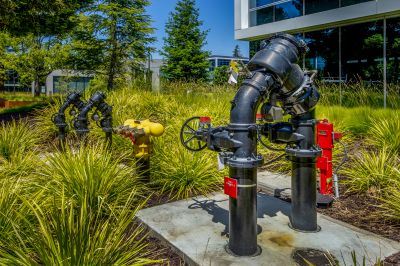
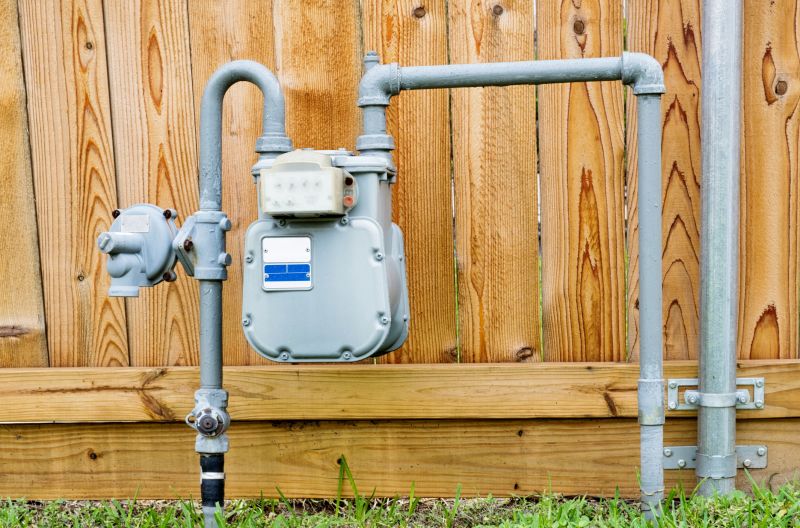
Backflow preventer installation is a common service sought by property owners who want to protect their drinking water supply from contamination. This is especially important in situations where irrigation systems, fire suppression systems, or other external water sources are connected to the main water line. Local contractors can assess the property’s plumbing setup and install backflow preventers to ensure that water flows in the correct direction, preventing pollutants from entering the clean water supply.
Property owners in the area may look for backflow preventer installation when preparing for new construction, undergoing plumbing upgrades, or ensuring compliance with local health and safety regulations. Additionally, those experiencing issues with water pressure or suspecting cross-connections between potable and non-potable water lines might seek professional services. Local service providers are equipped to handle these projects efficiently, helping to maintain safe and reliable water systems.
What is a backflow preventer and why is it important? A backflow preventer is a device that stops contaminated water from flowing back into the main water supply, helping to protect public health and ensure water safety.
How do local contractors install backflow preventers? Skilled service providers typically assess the plumbing system, select the appropriate device, and install it according to local codes and standards.
Are backflow preventer installations suitable for residential properties? Yes, many residential properties benefit from backflow preventers to prevent potential contamination of drinking water supplies.
What types of backflow preventers are available for installation? Common options include atmospheric vacuum breakers, double check valves, and reduced pressure zone (RPZ) assemblies, depending on the application.
How can I find local contractors who install backflow preventers? You can contact service providers in your area through this platform to compare options and connect with professionals experienced in backflow preventer installation.
Backflow preventer installation for irrigation systems - ensures that lawn and garden watering systems do not contaminate the main water supply, maintaining safe water for outdoor use.
Protecting household drinking water - prevents backflow from appliances or fixtures that could introduce pollutants into the home’s water supply.
Preventing cross-contamination in commercial properties - safeguards public water systems by installing backflow preventers in buildings with industrial or commercial plumbing.
Upgrading existing plumbing systems - improves water safety by replacing outdated or faulty backflow preventers with modern, reliable devices.
If you are thinking about Backflow Preventer Installation for a property, this guide is meant to help you understand the work, the typical project types, and how different options might fit your plans.
When you are ready, you can use the quote form on this page to share a few details about your project. From there, local pros can review the basics and respond with options that match what you have in mind.